Mon Jan 01 2024
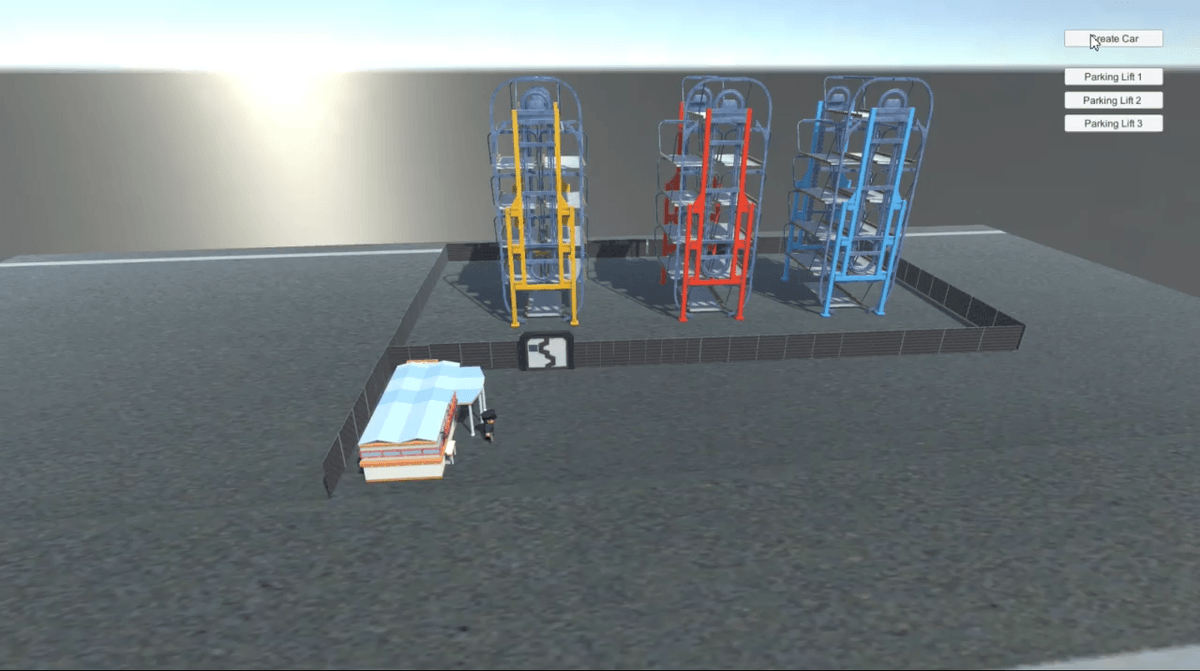
Smart Car Parking System Simulation
Unity
C#
Simulation
Algorithm Design
Game Development
Smart City
Automation
3D Visualization
Urban Planning
Intelligent parking system simulation built with Unity and C# that demonstrates automated parking management and space optimization algorithms. Features real-time visualization of smart parking allocation and efficient space utilization in urban environments.
Smart Car Parking System Simulation
An intelligent parking system simulation that showcases automated parking management through optimized space allocation algorithms. Built with Unity and C#, this project demonstrates the practical application of smart city technology in urban parking solutions.
Project Vision
Urban parking challenges affect millions of drivers daily, leading to traffic congestion, wasted fuel, and frustrated commuters. This simulation explores how intelligent systems can revolutionize parking management through automation, optimization, and real-time decision-making.
Core Functionality
Intelligent Parking Management
- Automated Space Allocation: Smart algorithms automatically assign optimal parking spots
- Real-Time Optimization: Dynamic adjustment of parking assignments based on availability
- Efficient Space Utilization: Maximizes parking capacity through intelligent routing
- Visual Simulation Environment: 3D representation of smart parking system operations
Interactive Simulation
- Car Control System: Direct vehicle control for testing parking scenarios
- Real-Time Visualization: Live demonstration of parking allocation decisions
- System Behavior Analysis: Observable patterns in automated parking management
- User-Friendly Interface: Intuitive controls for simulation interaction
Technical Implementation
Algorithm Design
- Space Optimization: Algorithms that minimize walking distance and maximize capacity
- Collision Avoidance: Safe pathfinding and vehicle movement systems
- Queue Management: Efficient handling of multiple vehicles seeking parking
- Dynamic Allocation: Real-time reassignment based on changing conditions
Unity Development
- 3D Environment: Realistic parking lot simulation with accurate spatial relationships
- Physics Integration: Authentic vehicle movement and collision detection
- Animation Systems: Smooth vehicle transitions and parking maneuvers
- Performance Optimization: Efficient rendering for smooth real-time simulation
C# Programming
- Object-Oriented Design: Clean, maintainable code architecture
- State Management: Vehicle and parking space status tracking
- Event-Driven System: Responsive parking allocation based on real-time events
- Modular Architecture: Extensible codebase for future feature additions
Smart City Applications
Urban Planning Benefits
- Traffic Reduction: Minimized circling time searching for parking spaces
- Environmental Impact: Reduced emissions from parking-related driving
- Space Efficiency: Optimal utilization of limited urban parking resources
- User Experience: Improved convenience for drivers and city visitors
Real-World Implementation Potential
- Shopping Centers: Automated parking guidance in retail environments
- Airport Parking: Efficient long-term and short-term parking management
- City Centers: Smart parking meters and dynamic pricing integration
- Corporate Campuses: Employee parking optimization and space allocation
Development Challenges & Solutions
Algorithm Complexity
- Challenge: Balancing optimal space allocation with real-time performance requirements
- Solution: Implemented efficient pathfinding algorithms with performance optimization
- Result: Smooth real-time simulation capable of handling multiple vehicles simultaneously
Simulation Realism
- Challenge: Creating realistic vehicle behavior and parking maneuvers
- Solution: Integrated Unity physics system with custom movement controllers
- Result: Authentic driving experience that accurately represents real parking scenarios
System Scalability
- Challenge: Designing algorithms that work for various parking lot sizes and configurations
- Solution: Modular system architecture with configurable parameters
- Result: Flexible simulation that adapts to different parking environments
Technical Architecture
Core Components
// Key System Components
- ParkingManager: Central coordination of parking operations
- VehicleController: Individual car movement and behavior
- SpaceTracker: Real-time monitoring of parking availability
- AllocationAlgorithm: Intelligent space assignment logic
System Features
- Real-Time Processing: Instant response to parking requests and changes
- Scalable Design: Accommodates varying numbers of vehicles and spaces
- Data Visualization: Clear representation of system status and decisions
- Performance Monitoring: Tracking of system efficiency and utilization rates
User Interface
- Simulation Controls: Start, pause, and reset functionality
- Vehicle Navigation: WASD controls for manual vehicle testing
- System Visualization: Real-time display of parking allocation decisions
- Performance Metrics: Visual feedback on system efficiency
Key Achievements
Technical Innovation
- Algorithm Development: Created efficient parking allocation algorithms from scratch
- Real-Time Simulation: Successfully implemented responsive 3D simulation environment
- Unity Mastery: Demonstrated proficiency in Unity game engine and C# programming
- System Integration: Seamlessly combined multiple complex systems into cohesive simulation
Problem-Solving Demonstration
- Urban Challenge Analysis: Identified and addressed real-world parking inefficiencies
- Algorithmic Thinking: Applied computer science principles to practical problems
- Simulation Design: Created educational tool for understanding smart city concepts
- Performance Optimization: Balanced functionality with smooth user experience
Future Development Roadmap
Enhanced Analytics
- Statistical Dashboard: Comprehensive tracking of parking utilization and efficiency metrics
- Performance Analysis: Detailed reports on system optimization and space usage
- Comparative Studies: Analysis of different allocation strategies and their effectiveness
- Data Export: CSV and JSON export capabilities for further analysis
Advanced Features
- Multi-Level Parking: Support for parking garages and complex structures
- Vehicle Types: Different vehicle sizes and parking requirements
- Dynamic Pricing: Integration with pricing algorithms based on demand
- Mobile Integration: Smartphone app connectivity for real-world applications
Smart City Integration
- IoT Connectivity: Integration with smart parking sensors and real-time data
- Traffic Management: Connection with broader traffic management systems
- Environmental Monitoring: Carbon footprint tracking and environmental impact analysis
- Machine Learning: AI-powered optimization based on historical usage patterns
Educational Value
Computer Science Concepts
- Algorithm Design: Practical application of optimization algorithms
- Data Structures: Efficient management of parking spaces and vehicle queues
- Real-Time Systems: Understanding of responsive system design
- Simulation Programming: Experience with complex simulation development
Smart City Technology
- Urban Planning: Insight into modern city infrastructure challenges
- Automation Systems: Understanding of intelligent automation in public services
- Optimization Theory: Practical application of mathematical optimization
- Technology Integration: Experience combining multiple technologies for comprehensive solutions
Technical Specifications
Development Environment
- Unity Engine: Cross-platform game development environment
- C# Programming: Object-oriented programming with .NET framework
- Visual Studio: Integrated development environment for code management
- Version Control: Git-based source code management
Performance Metrics
- Real-Time Operation: 60 FPS simulation performance
- Scalable Architecture: Supports varying simulation sizes
- Memory Efficiency: Optimized resource usage for smooth operation
- Cross-Platform: Compatible with multiple operating systems
This simulation project demonstrates the intersection of game development skills with practical urban technology solutions, showcasing both technical programming abilities and understanding of real-world smart city applications.